English
 簡(jiǎn)體中文


Unlock your cycling potential with our comprehensive guide to power meters. Learn how to choose the right power meter, understand power data, and optimize your training for peak performance.
1. Introduction to Power Meters
What is a Power Meter and Why Use One?
At its core, a power meter is a highly precise instrument that measures the mechanical power a cyclist produces, expressed in watts (W). Think of it as a sophisticated dynamometer for your bicycle. Unlike simpler metrics such as speed or distance, which can be heavily influenced by external factors like wind, road gradient, or even tire pressure, power is a direct, objective, and unwavering measurement of your effort. It quantifies the work you are actually doing to move yourself and your bike forward.
Consider a scenario: you're riding uphill into a headwind. Your speed might be low, and your heart rate might be soaring, but without a power meter, you wouldn't know the exact force you're exerting. A power meter cuts through this ambiguity, showing you in real-time the precise amount of energy you're putting into the pedals. This unparalleled clarity is why power meters have become the gold standard for serious cyclists and those committed to unlocking their full potential. They transform training from an art based on feel into a precise science driven by data.
Benefits of Training with a Power Meter
The advantages of integrating a power meter into your cycling regimen are numerous and transformative. They extend beyond just knowing your watts and delve into a deeper understanding of your physiology and performance:
- Unrivaled Training Precision: A power meter is your ultimate training guide. It allows you to execute structured workouts with surgical accuracy. Instead of just "riding hard," you can target specific power zones (e.g., 200-220W for endurance, 300-350W for threshold work). This focused training optimizes adaptations, whether you're building aerobic capacity, improving your sprint, or increasing your sustained power output.
- Optimal Pacing for Races and Events: One of the most critical applications of a power meter is intelligent pacing. During time trials, long sportives, or even group rides, a power meter prevents the common mistake of starting too fast and "blowing up." By knowing your Functional Threshold Power (FTP) and managing your effort within sustainable power zones, you can conserve energy, maintain a consistent pace, and deliver your strongest performance to the finish line. It's like having a personal coach constantly telling you if you're over-doing it or if you have more to give.
- Objective Performance Tracking and Progression: Speed can be deceptive, and heart rate fluctuates. Power data, however, provides an unvarnished truth about your fitness. You can precisely track changes in your power output over weeks, months, and even years. This objective data allows you to identify trends, celebrate tangible improvements (e.g., holding higher power for longer durations), and gain confidence from concrete progress.
- Efficient Recovery and Injury Prevention: A power meter helps you manage your training load effectively. Metrics like Training Stress Score (TSS) provide a quantifiable measure of how much stress a workout puts on your body. By monitoring TSS and understanding your recovery needs, you can avoid overtraining, reduce the risk of burnout, and allow your body to adapt and grow stronger, not just break down.
- Pinpointing Strengths and Weaknesses: Post-ride analysis of power data can reveal fascinating insights into your cycling profile. Are you strong at short, high-intensity efforts but struggle with sustained climbs? Do you have excellent pedaling efficiency at lower cadences? Power data helps you identify these specific physiological strengths and weaknesses, allowing you to tailor your training to address areas needing improvement or further capitalize on your natural abilities.
- Unlocking Data-Driven Strategy: Beyond individual training, power data informs strategic decisions. For instance, analyzing a previous race's power file can help you understand the demands of the course, plan your attack points, and set realistic power targets for future events. It moves performance planning from guesswork to informed decision-making.
To truly grasp the distinction, consider the core differences between various training metrics:
| Metric | What it Measures | Strengths | Limitations | Best Use Case |
|---|---|---|---|---|
| Speed/Distance | How fast and how far you've traveled | Simple, intuitive, great for general navigation | Highly influenced by wind, gradient, road surface; not an effort metric | Casual riding, route planning, basic progress tracking |
| Heart Rate | Your body's physiological response to effort | Reflects cardiovascular stress, good for perceived effort, recovery | Lags effort, affected by fatigue, stress, temperature, caffeine, hydration | Aerobic base building, recovery rides, monitoring stress |
| Power (Watts) | Direct mechanical output; the work being done | Objective, immediate, consistent, unaffected by external factors | Requires specialized equipment (power meter); can be complex to interpret initially | Structured training, pacing, performance analysis, racing |
| Cadence (RPM) | How fast you're pedaling (revolutions per minute) | Good for developing pedaling efficiency, complementing power | Not an effort metric on its own; optimal cadence varies per individual | Improving technique, optimizing power delivery |
Brief History of Power Meters in Cycling
The journey of power meters from obscure laboratory tools to indispensable cycling companions is a testament to the relentless pursuit of performance and technological innovation.
The genesis of modern cycling power measurement can be traced back to the late 1980s with the pioneering work of Ulrich Schoberer, who founded SRM (Schoberer Rad Me?technik). In 1987, SRM introduced the first commercially viable cycling power meter. This revolutionary device, primarily a modified crankset incorporating strain gauges, allowed for unprecedented scientific rigor in training. Before SRM, coaches relied on heart rate, perceived exertion, and stopwatch times – all valuable, but none as precise as directly measuring power. The early SRM units were prohibitively expensive and required complex calibration, making them the exclusive domain of professional cycling teams and elite researchers. They were instruments of serious performance, transforming how top athletes approached training and racing strategies.
The success and utility of SRM spurred innovation. The 1990s and early 2000s saw gradual advancements in miniaturization, improved battery life, and the refinement of strain gauge technology. However, it was the advent of ANT+ wireless technology around the mid-2000s that truly began the democratization of power measurement. This standardized wireless protocol allowed power meters from different manufacturers to communicate seamlessly with cycling computers (head units), making data collection and display far more user-friendly.
The past decade has witnessed an explosion of innovation and competition in the power meter market. New form factors emerged – pedal-based, hub-based, and single-sided crank options – each offering different trade-offs in terms of cost, ease of installation, and portability. Companies like Stages Cycling, Garmin, Quarq, Favero Assioma, and 4iiii Innovations entered the market, driving down prices and increasing accessibility. Today, cyclists have an unprecedented array of choices, from high-precision dual-sided systems used by professionals to more affordable single-sided options perfect for dedicated amateurs. This ongoing evolution continues to push the boundaries of what's possible in cycling training and performance analysis.
2. Types of Power Meters
Power meters measure the force you apply to the pedals and how fast your crank arms are spinning to calculate your power output. What differentiates them is where on the bike they perform this measurement. Each placement offers distinct advantages and disadvantages, impacting everything from cost and installation to data metrics and compatibility.
Crank-Based Power Meters
Crank-based power meters integrate the sensing technology directly into one or both of your bicycle's crank arms. This is a very common and reliable type of power meter.
- How They Work: Tiny electronic sensors called strain gauges are embedded within the crank arm(s). As you pedal, the crank arm flexes minutely under pressure. These minuscule deformations are detected by the strain gauges, and this information is then translated into your power output in watts.
- Variations:
- Single-sided: These measure power from just one crank arm (usually the left, non-drive side). They then double this value to give an estimate of your total power. These are typically more affordable and simpler to install.
- Dual-sided: These systems measure power independently from both the left and right crank arms. This provides a true total power output and, crucially, offers insights into your Left/Right balance, showing how evenly you're distributing power between your legs.
- Pros:
- Reliable and Accurate Data: Crank-based meters are well-regarded for providing consistent and accurate power readings.
- Protected Position: The sensing components are largely housed within the crank arm itself, offering good protection from impacts or crashes.
- Good Battery Life: Many models use common coin-cell batteries (like CR2032) or rechargeable internal batteries that offer long operational times.
- Cons:
- Bike Specificity: You often need to ensure compatibility with your bike's existing crankset, bottom bracket standard, and sometimes chainring bolt pattern, which can limit how easily you can swap them between different bikes.
- Installation (for some): While many single-sided models are straightforward, replacing an entire crankset for a dual-sided system might require specific tools or professional bike shop assistance.
- Ideal for: Cyclists looking for a robust and dependable power measurement solution for a dedicated bike. Dual-sided models are excellent for those who want detailed left/right power analysis to improve pedaling efficiency.
Pedal-Based Power Meters
Pedal-based power meters embed the power measurement technology directly into the body or spindle of the bicycle pedal. This design is highly favored for its exceptional ease of installation and versatility.
- How They Work: Strain gauges are strategically placed within the pedal spindle or body. When you apply force to the pedal, these sensors detect the deflection or torque, converting it into power data that's transmitted to your cycling computer.
- Variations: Most popular pedal-based power meters are dual-sided, meaning they measure power independently from each pedal. This provides not only your total power but also detailed metrics on your Left/Right balance and advanced pedaling dynamics. Some single-sided options exist as well.
- Pros:
- Extremely Easy to Install and Transfer: This is their standout feature. They install just like regular pedals, requiring only a pedal wrench. This makes them incredibly convenient for cyclists who own multiple bikes or frequently travel and rent bikes.
- Comprehensive Data: Almost all pedal-based systems offer dual-sided measurement, providing valuable metrics beyond just watts, such as Left/Right balance, Power Phase (where in the pedal stroke you're generating power), and Platform Center Offset (where on the pedal platform your force is applied).
- Bike Agnostic: Generally compatible with almost any bike that uses standard 9/16" pedal threads.
- Cons:
- Exposure: Being on the outside of the bike, pedals are more exposed to potential impacts or damage in a crash compared to components housed within the crankset. However, manufacturers design them to be very durable.
- Cleat System Specific: You'll be limited to the specific road or mountain bike cleat system (e.g., Look KEO, Shimano SPD-SL, Shimano SPD) that the pedals are designed for.
- Battery Life (Historically): While vastly improved, some models might have slightly shorter battery life compared to other types due to their compact size, though this is less of an issue with newer generations.
- Ideal for: Cyclists who need the flexibility to easily move their power meter between different bikes, or those who are keen on analyzing their pedaling technique with advanced left/right balance and dynamics data.
Spider-Based Power Meters
Spider-based power meters integrate the strain gauges into the "spider" of the crankset – this is the central component to which your chainrings are bolted. Many professionals and serious enthusiasts consider this a gold standard for accuracy and robustness.
- How They Work: The strain gauges are housed within the spider itself. As you pedal, the entire crankset assembly twists slightly under the applied force. The spider, being central to this force transfer, measures this subtle torsion very accurately to calculate your total power output.
- Variations: These systems are almost exclusively designed to measure the combined total power from both legs. While they inherently measure the sum of both legs, some advanced models can estimate or infer a Left/Right balance based on specific algorithms.
- Pros:
- High Accuracy and Reliability: Spider-based meters are renowned for their consistent and precise power readings because they measure power very close to the point where it's generated before it's influenced by other factors.
- Robust and Protected: The spider is a highly robust part of the drivetrain, and the sensing components are well-protected from external elements and impacts.
- Consistent Measurement: Provides a stable and consistent reading regardless of individual pedaling style or minor left/right imbalances.
- Cons:
- Limited Bike Interchangeability: Like crank-based meters, they are often tied to specific crankset models, spindle types, and chainring BCD (Bolt Circle Diameter). This makes them less flexible to move between vastly different bike setups.
- Chainring Swaps: Replacing chainrings might require specific attention or even recalibration on some older or less advanced models, though modern designs largely mitigate this.
- Cost: Tend to be among the more premium and expensive power meter options on the market.
- Ideal for: Competitive cyclists, racers, and serious enthusiasts who demand the utmost in accuracy, reliability, and robust design for a dedicated training or race bike.
Hub-Based Power Meters
Hub-based power meters incorporate the power measurement technology directly into the rear wheel hub. This offers a unique advantage for cyclists who frequently swap wheels or own multiple bikes.
- How They Work: Strain gauges are integrated into the rear wheel's hub shell. As you pedal, the torque from your drivetrain is transferred through the hub. The strain gauges measure the twisting (torsion) of the hub as it transmits power to the wheel, translating this into your power output.
- Variations: Hub-based systems typically measure total power from both legs combined. They do not offer individual Left/Right balance data.
- Pros:
- Easy to Swap Between Bikes (with the wheel): If you have multiple bikes that use the same wheel size and axle standards, you can easily move the power meter between them simply by swapping the entire rear wheel.
- Bike Agnostic (with the wheel): They work with virtually any bike that can accommodate the specific hub and wheel size (e.g., road, mountain, gravel) as long as you're using that particular wheel.
- Cost-Effective (sometimes): For some brands, a hub-based power meter can be a more budget-friendly entry point into power measurement compared to certain crankset or pedal systems.
- Cons:
- Wheel Specific: The power meter is permanently tied to that specific wheel. If you want power data, you must use that wheel. This can be inconvenient if you frequently switch wheelsets for training, racing, or different terrain.
- Weight: The power meter components add some weight to the rear wheel compared to a standard, non-power meter hub.
- No Left/Right Balance: As they measure combined torque, they do not provide individual Left/Right power data.
- Not Ideal for Wheel-On Trainers: If you use a wheel-on smart trainer (where your rear wheel remains on the bike and spins against a roller), you won't get power data from your hub power meter unless you are using that specific power meter wheel on the trainer.
- Ideal for: Cyclists who own several bikes and can standardize on one power meter wheel, or those looking for a relatively straightforward and potentially cost-effective way to get total power data without modifying their drivetrain or pedals.
Choosing the Right Type for Your Needs
Selecting the perfect power meter type involves a thoughtful evaluation of your individual cycling context, priorities, and budget. There's no universal "best" option; the ideal choice is the one that aligns most closely with your specific requirements.
Consider the following critical factors when making your decision:
| Factor | Crank-Based Power Meters | Pedal-Based Power Meters | Spider-Based Power Meters | Hub-Based Power Meters |
|---|---|---|---|---|
| Typical Cost Range | Mid to High | Mid to High | High | Low to Mid |
| Installation Ease | Moderate (single-sided relatively easy, dual-sided more involved) | Very Easy (like regular pedals) | Moderate to Complex (often requires professional installation) | Easy (like swapping a wheel) |
| Portability | Low (bike-specific, not easily moved) | Very High (easily moved between bikes) | Low (bike-specific, not easily moved) | High (if you swap the entire wheel) |
| Key Metrics Offered | Total Power (single-sided); Total Power, L/R Balance (dual-sided) | Total Power, L/R Balance, Power Phase, Platform Offset | Total Power (primary); some estimate L/R Balance | Total Power |
| Accuracy Reputation | Very Good | Very Good | Excellent (often considered reference standard) | Good |
| Exposure to Damage | Low (well-protected within crank) | Moderate (exposed, but designed to be robust) | Low (robust part of drivetrain) | Low (well-protected within hub) |
| Bike Compatibility | Depends on crankset & bottom bracket standards | High (fits most bikes with standard pedal threads) | Depends on crankset & chainring BCD standards | High (fits most bikes with compatible wheel/axle standards) |
| Cleat System Dependency | None | Yes (specific to pedal's cleat system, e.g., Look KEO, SPD-SL, SPD) | None | None |
| Battery Life | Generally Long | Good (improving significantly) | Long | Moderate to Long |
By carefully weighing these factors against your cycling discipline (road, mountain, triathlon), how many bikes you own, your comfort with bike mechanics, and your budget, you'll be well on your way to selecting the power meter type that will best unlock your cycling potential.
3. Key Features and Specifications
Once you've decided on the type of power meter that best suits your needs, the next step is to delve into the specific features and specifications that differentiate models and impact their performance and usability. Understanding these aspects is crucial for making an informed purchase that aligns with your expectations and training requirements.
Accuracy and Calibration
The primary purpose of a power meter is to provide precise data, so accuracy is paramount. A power meter's accuracy is typically expressed as a percentage, indicating how close its measurement is to the true value. For example, a ±1% accuracy means the reading will be within 1% of your actual power output. While even slight variations might seem minor, over a long ride or during structured intervals, these discrepancies can accumulate and affect your training analysis.
- Factors Affecting Accuracy: Environmental factors like temperature changes can subtly affect strain gauges. Leading manufacturers employ sophisticated temperature compensation technology to counteract these effects, ensuring consistent readings across varying conditions.
- Calibration (Zero Offset): This is a critical process for maintaining your power meter's accuracy. A "zero offset" (often called "calibration" by users) procedure tells the power meter what "zero" power looks like when no force is being applied. This accounts for any minor changes in the strain gauges due to temperature, bike setup, or normal wear. It's similar to zeroing a scale before weighing something.
- Frequency: It's generally recommended to perform a zero offset before every ride, or at least before key workouts or races, and especially after significant temperature changes or bike transport. Most modern head units make this a simple one or two-button process.
| Feature | Description | Importance |
|---|---|---|
| Accuracy Rating | Expressed as $\pm$X%, indicates measurement precision. | Higher accuracy means more reliable training data and analysis. |
| Temperature Compensation | Internal technology to adjust readings for temperature fluctuations. | Ensures consistent accuracy across varied environmental conditions. |
| Zero Offset/Calibration | User-initiated process to reset the power meter's baseline. | Crucial for maintaining long-term accuracy and reliable readings. |
Battery Life and Type
The power source and its longevity are practical considerations for any electronic device. Power meters are designed to operate for extended periods, but the battery type and life vary significantly.
- Battery Types:
- Coin Cell Batteries (e.g., CR2032): These are common, inexpensive, and readily available. They offer decent battery life and are easy to replace yourself.
- AAA/AA Batteries: Less common now, but some older or larger units might use them. They offer good life but add more weight.
- Rechargeable Internal Batteries: Many newer, more advanced power meters feature integrated rechargeable batteries (often via USB). These are convenient as they eliminate the need to buy and replace disposable batteries, but they do require access to charging.
- Battery Life: Manufacturers typically provide an estimated battery life in hours. This figure can vary based on usage (e.g., frequency of data transmission, temperature). Longer battery life means less frequent charging or battery replacement, enhancing convenience.
| Battery Type | Pros | Cons | Typical Battery Life (Hours) |
|---|---|---|---|
| Coin Cell (CR2032) | Inexpensive, widely available, easy DIY replacement | Shorter life than rechargeable, need to carry spares | 100 - 300 |
| Rechargeable | Convenient (no replacements), environmentally friendly | Requires charging, can't instantly swap, usually sealed | 150 - 500+ |
Compatibility with Cycling Computers and Apps
A power meter is only as useful as its ability to communicate with other devices that display and record your data. This is governed by wireless communication protocols.
- ANT+: This is the industry standard for fitness sensors. Almost all modern power meters support ANT+, making them compatible with a vast range of cycling computers (like Garmin, Wahoo, Hammerhead, etc.) and many smart trainers.
- Bluetooth Smart (BLE/Bluetooth Low Energy): Increasingly, power meters also incorporate Bluetooth Smart connectivity. This allows them to connect directly to smartphones, tablets, and a growing number of cycling computers and smart trainers, often simultaneously with ANT+.
- Dual-Band Connectivity: Many current power meters offer both ANT+ and Bluetooth Smart connectivity, providing maximum flexibility for pairing with various devices and applications.
- App Integration: Most power meter manufacturers also offer their own companion apps for smartphones. These apps are often used for:
- Firmware updates
- Battery status checks
- Performing zero offsets
- Registering the device
- Accessing advanced settings or diagnostics
Data Metrics: Watts, Cadence, Torque Efficiency, Pedal Smoothness, Left/Right Balance
While power (watts) is the star, power meters often collect and transmit a rich array of other valuable metrics that offer deeper insights into your pedaling technique and efficiency.
- Watts (W): This is the fundamental measurement of your power output. It directly quantifies how much work you are doing. All power meters will provide this.
- Cadence (RPM): This measures how fast your pedals are spinning, expressed in revolutions per minute. Most power meters have an integrated cadence sensor, eliminating the need for a separate sensor on your bike.
- Torque Efficiency (TE): This metric helps assess how effectively you are applying positive torque throughout the entire pedal stroke and minimizing negative torque (pushing down when you should be pulling up, or vice versa). It's typically expressed as a percentage.
- Pedal Smoothness (PS): This metric indicates how smoothly and consistently power is applied throughout the pedal stroke. A higher percentage suggests a more fluid application of force, reducing spikes and drops.
- Left/Right Balance: Available on dual-sided power meters, this shows the percentage of power contributed by each leg (e.g., 50/50, 48/52). This is invaluable for identifying imbalances that could lead to inefficiencies or even injury over time.
| Data Metric | Description | Value to the Cyclist | Typical Power Meter Type |
|---|---|---|---|
| Watts (W) | Direct measurement of power output. | Core metric for quantifying effort and structuring training. | All |
| Cadence (RPM) | Revolutions per minute of the crank. | Helps optimize pedaling style and efficiency. | Most |
| Left/Right Balance | Percentage of power from each leg (e.g., L:48% / R:52%). | Identifies muscular imbalances, aids technique correction. | Dual-sided Crank, Pedal |
| Torque Efficiency (TE) | How effectively positive torque is applied vs. total torque. | Helps reduce "dead spots" in pedal stroke, improve force application. | Some Dual-sided Pedal, some Crank |
| Pedal Smoothness (PS) | Consistency of power delivery throughout the pedal stroke. | Promotes a more fluid, less jerky pedaling motion. | Some Dual-sided Pedal, some Crank |
4. How to Choose the Right Power Meter
Choosing the "right" power meter isn't about finding the most expensive or feature-rich option; it's about finding the device that best fits your specific cycling needs, budget, and existing equipment. With the wide array of types and brands available, a systematic approach will help you make an informed decision.
Budget Considerations
For many cyclists, budget is the primary factor influencing their power meter choice. The price of power meters has decreased significantly over the years, making them more accessible than ever, but there's still a considerable range.
- Entry-Level Options: Generally in the lower price range, these often include single-sided crank-based power meters or some hub-based options. They provide reliable total power data, which is more than enough for most riders starting with power training.
- Mid-Range Options: This segment typically includes dual-sided crank-based power meters and many pedal-based systems. These offer more detailed data, such as left/right balance, and often come with enhanced features or higher accuracy ratings.
- Premium Options: At the higher end, you'll find top-tier spider-based power meters and some specialized crank or pedal systems known for their exceptional accuracy, durability, and advanced metrics. These are often chosen by professional athletes or those seeking the absolute best performance data.
It's important to set a realistic budget and then explore the best options within that range, rather than overspending on features you might not fully utilize.
Bike Compatibility
This is arguably the most critical technical consideration. A power meter, regardless of its features, is useless if it doesn't fit your bike. Different types of power meters have different compatibility requirements.
- Crank-Based Power Meters:
- Crank Arm Length: Ensure the power meter crank arm matches your existing crank arm length (e.g., 170mm, 172.5mm, 175mm).
- Bottom Bracket Standard: Your bike's bottom bracket (BB) type (e.g., Shimano Hollowtech II, SRAM DUB, BB30, PF30) is crucial. Some power meters are specific to certain BBs or require adapter kits.
- Chainring Bolt Pattern (BCD): For spider-based meters, ensure the BCD matches your current chainrings.
- Pedal-Based Power Meters:
- Pedal Thread Standard: Virtually all modern bikes use a standard 9/16" pedal thread, so this is rarely an issue.
- Cleat System: This is the most important factor. Pedal power meters are designed for specific cleat systems (e.g., Look KEO, Shimano SPD-SL for road; Shimano SPD for mountain/gravel). You'll need to use compatible cycling shoes and cleats.
- Hub-Based Power Meters:
- Axle Standard: Check your rear wheel's axle standard (e.g., QR, 12x142mm thru-axle, 12x148mm Boost).
- Cassette Body: Ensure the hub's cassette body (e.g., Shimano HG, SRAM XDR, Campagnolo) matches your bike's drivetrain.
- Wheel Size: Obviously, the wheel needs to be the correct size for your bike (e.g., 700c, 29", 27.5").
Always double-check the manufacturer's compatibility charts before purchasing. When in doubt, consult with a reputable bike shop.
Ease of Installation and Maintenance
How easily you can install, maintain, and troubleshoot your power meter can significantly impact your user experience.
- Installation:
- Very Easy: Pedal-based power meters are the simplest, screwing on like regular pedals.
- Easy: Single-sided crank-arm power meters are generally straightforward; you just swap out your existing non-drive side crank arm.
- Moderate: Installing a full crankset with an integrated spider or dual-sided crank arms can be more involved, often requiring specialized tools (like a crank puller or bottom bracket tool) and some mechanical aptitude.
- Bike Shop Recommended: If you're not comfortable with advanced bike mechanics, consider professional installation for more complex systems.
- Maintenance: Most power meters are designed to be low-maintenance. Key aspects include:
- Battery Replacement/Charging: Consider whether you prefer disposable batteries or rechargeable options.
- Zero Offset/Calibration: A simple process for most modern units, typically done via your cycling computer.
- Firmware Updates: Usually managed through a smartphone app provided by the manufacturer.
- Transferability: If you plan to use the power meter on multiple bikes, pedal-based options offer the highest transferability. Hub-based meters are also good if you swap entire wheels. Crank or spider-based meters are generally bike-specific.
Data Needs and Analysis
The type and depth of data you want to collect and analyze should guide your choice. Not all power meters provide the same metrics beyond basic watts and cadence.
- Basic Power & Cadence: If your primary goal is simply to train with watts and track your overall effort, any type of power meter will suffice. This is ideal for most beginner to intermediate users.
- Left/Right Balance: If you're keen on identifying and correcting imbalances in your pedaling (e.g., one leg producing significantly more power than the other), you'll need a dual-sided power meter (typically pedal-based or dual-sided crank-based).
- Advanced Cycling Dynamics: Some power meters (primarily pedal-based, like Garmin Rally or Favero Assioma DUO) offer more sophisticated metrics such as Power Phase (where in the pedal stroke you generate power) and Platform Center Offset (where your foot pressure is on the pedal). These metrics are useful for highly technical analysis of pedaling efficiency.
- Software Integration: Consider which cycling analysis platforms you use (e.g., TrainingPeaks, Strava, GoldenCheetah). Most modern power meters transmit data via ANT+ and Bluetooth, making them compatible with virtually all major platforms, but specific manufacturer apps might offer unique insights.
Here's a summary table to help you weigh the decision factors:
| Decision Factor | Considerations | Best Fit Options (General) |
|---|---|---|
| Budget | How much are you willing to spend? | Entry: Single-sided Crank, Hub-based. Mid: Dual-sided Crank, Pedal-based. Premium: Spider-based, High-end Pedal/Crank. |
| Bike Compatibility | What are your current crankset, bottom bracket, and pedal system? | Crank-based: Check specific crank/BB. Pedal-based: Check cleat system. Hub-based: Check axle/cassette. |
| Ease of Installation | Are you comfortable with bike mechanics, or prefer plug-and-play? | Very Easy: Pedal-based. Easy: Single-sided Crank. Moderate/Complex: Dual-sided Crank, Spider-based. |
| Number of Bikes | Do you want to use it on one bike or multiple? | Multiple: Pedal-based (easiest to swap). Multiple (same wheels): Hub-based. Single: Any type. |
| Desired Data | Do you need just watts, or detailed L/R balance/dynamics? | Watts Only: Any type. L/R Balance: Dual-sided Crank, Pedal-based. Advanced Dynamics: Pedal-based. |
| Maintenance Preference | Do you prefer disposable batteries or rechargeable? | Disposable: Many Crank/Spider/Hub. Rechargeable: Many Pedal-based, some Crank/Spider. |
5. Understanding Power Data
Once you have a power meter, the next crucial step is to understand the language of power data. Raw wattage numbers are just the beginning; a suite of metrics derived from your power output provides profound insights into your fitness, fatigue, and how to structure your training more effectively. Mastering these concepts is key to unlocking your cycling potential.
Key Metrics: Average Power, Normalized Power (NP), Intensity Factor (IF), Training Stress Score (TSS)
These foundational metrics help you quantify your effort and the impact of your rides.
- Average Power (AP): This is the simplest measure: the average power output over a specific duration, whether it's a 5-minute interval, a 1-hour ride, or an entire race. It's straightforward but can be misleading for rides with fluctuating efforts (e.g., stop-and-go city riding, group rides with surges).
- Value to the Cyclist: Good for steady-state efforts like time trials or long, consistent climbs. Provides a general overview of your effort.
- Normalized Power (NP): This is a more physiologically accurate measure of your power output than simple average power. NP accounts for the physiological cost of varying intensities. It gives you a better sense of how metabolically challenging a ride was, especially if it involved many surges, sprints, or descents. A ride with many short, hard efforts might have a low average power but a much higher Normalized Power.
- Value to the Cyclist: More accurately reflects the physiological stress of a fluctuating ride. Essential for comparing the "effort" of different types of rides.
- Intensity Factor (IF): IF is a metric that expresses the relative intensity of a ride or workout. It compares your Normalized Power (NP) to your Functional Threshold Power (FTP). An IF of 1.0 means you rode at your FTP. An IF below 0.75 indicates an easy endurance ride, while an IF above 1.0 suggests a very hard effort or race.
- Value to the Cyclist: Helps categorize the difficulty of a workout or race relative to your current fitness. Useful for ensuring you're training at the right intensity.
- Training Stress Score (TSS): TSS quantifies the overall physiological stress and training load of a ride or workout. It takes into account both the intensity (IF) and duration of your effort. A higher TSS indicates a more demanding workout that will require more recovery. TSS is a cornerstone metric for managing your training load over time, preventing overtraining, and planning recovery.
- Value to the Cyclist: The go-to metric for tracking cumulative fatigue and planning recovery. Essential for periodization and preventing burnout.
Here's a quick comparison of these key metrics:
| Metric Name | What it Measures | When it's Most Useful |
|---|---|---|
| Average Power (AP) | Arithmetic mean of all power readings over a period | Steady, consistent efforts (time trials, long climbs) |
| Normalized Power (NP) | Physiologically accurate average, accounts for variations | Rides with fluctuating intensity (group rides, races) |
| Intensity Factor (IF) | Relative intensity of a ride compared to your FTP | Gauging workout difficulty, ensuring correct training zones |
| Training Stress Score (TSS) | Overall physiological stress and training load | Managing daily/weekly fatigue, planning recovery, periodization |
Setting and Monitoring FTP (Functional Threshold Power)
Functional Threshold Power (FTP) is arguably the most important metric for power-based training. It's defined as the highest average power you can maintain for approximately 60 minutes. FTP essentially represents your current aerobic fitness ceiling – the maximum power you can sustain for a prolonged, exhaustive effort without completely fatiguing.
- Why FTP is Crucial:
- Basis for Power Zones: Your FTP is used to establish your personalized training zones (see next section). All your structured workouts will be based on percentages of your FTP.
- Benchmark for Progress: Regular FTP testing allows you to objectively track your fitness improvements over time. An increase in FTP means you're getting stronger.
- Pacing Strategy: Knowing your FTP helps you pace yourself effectively during long efforts, time trials, or races, ensuring you don't start too hard or hold back too much.
- How to Determine FTP:
- 20-Minute Test: The most common method. After a thorough warm-up, you perform a maximal, sustained effort for 20 minutes. Your FTP is then estimated as 95% of your average power during this 20-minute effort. This is a highly demanding test.
- Ramp Test: Increasingly popular, especially on smart trainers. This involves starting at a low wattage and increasing the resistance in small steps every minute until you can no longer maintain the required power. Your FTP is then estimated based on your last completed step. This test is shorter and avoids the pacing challenges of the 20-minute test.
- Sustained Efforts: Sometimes, if you've done a very hard, sustained effort (e.g., a 30-minute climb at maximal effort), you can use a percentage of that average power as a strong indicator of your FTP.
- Monitoring FTP: FTP is not static; it changes as your fitness evolves. It's recommended to re-test your FTP every 4-8 weeks, or whenever you feel a significant change in your fitness level, to ensure your training zones remain accurate.
Using Power Zones for Effective Training
Once you've established your FTP, you can define your personalized power zones. These zones are specific ranges of power output, expressed as a percentage of your FTP, designed to elicit different physiological adaptations. Training within these zones ensures your workouts are targeted and effective.
While specific zone definitions can vary slightly between coaches and systems (e.g., Coggan's Power Zones, British Cycling zones), the underlying principle is the same: each zone targets a different energy system or physiological response.
Here's a commonly used seven-zone model based on FTP:
| Zone Number | Zone Name | % of FTP Range | Physiological Adaptation / Goal | Example Workout |
|---|---|---|---|---|
| Zone 1 | Active Recovery | Below 55% | Promotes recovery, flushes muscles, very easy pedaling | Easy spinning after a hard effort, very gentle warm-up |
| Zone 2 | Endurance | 56% - 75% | Builds aerobic base, improves fat-burning efficiency | Long, steady rides; conversational pace |
| Zone 3 | Tempo | 76% - 90% | Improves aerobic fitness, builds muscular endurance (moderately hard) | Sustained efforts, challenging but not exhausting |
| Zone 4 | Lactate Threshold (FTP) | 91% - 105% | Increases FTP, improves ability to sustain hard efforts | 2x20 minute intervals at FTP; sustained climbs at max effort |
| Zone 5 | VO2 Max | 106% - 120% | Boosts maximal oxygen uptake, improves short-term power | 3-5 minute maximal efforts with recovery (e.g., 5x5 min) |
| Zone 6 | Anaerobic Capacity | 121% - 150% | Develops anaerobic power, improves ability to handle surges | 30-90 second maximal efforts with long recovery (e.g., 8x1 min) |
| Zone 7 | Neuromuscular Power (Sprints) | Above 150% (or max effort) | Develops maximal strength, explosive power, sprint ability | All-out sprints (5-15 seconds), short bursts |
6. Integrating Power Meter Data into Training
Having a power meter and understanding its core metrics is like having a powerful engine and a detailed dashboard. The next step is to actually drive with it – to seamlessly integrate that valuable power data into your daily training for maximum effectiveness. This is where the real performance gains begin.
Structured Workouts with Power Targets
One of the most profound benefits of a power meter is its ability to enable structured workouts with precise power targets. Gone are the days of guessing your effort or relying solely on perceived exertion. With power, every interval has a clear, objective goal.
- Defining Your Workouts: Instead of simply "ride hard for 5 minutes," your workout might now specify "5 minutes at 105% of FTP" (i.e., in your Zone 5, VO2 Max). This precision ensures you're hitting the exact physiological stimulus needed for specific adaptations.
- Real-Time Guidance: During a workout, your cycling computer displays your current power output. This immediate feedback allows you to adjust your effort instantly. If you're dropping below your target, you can push harder; if you're overshooting, you can ease off. This self-correction ensures you spend the optimal amount of time in the correct training zone.
- Examples of Structured Workouts:
- Tempo Intervals: Sustained efforts at 76-90% of FTP to build aerobic fitness and muscular endurance. Example: 3 x 15 minutes at 85% FTP with 5 minutes recovery.
- Threshold Intervals: Efforts at or just above your FTP to increase your ability to sustain high power. Example: 2 x 20 minutes at 95-100% FTP with 10 minutes recovery.
- VO2 Max Intervals: Short, intense efforts well above FTP to boost your maximal oxygen uptake. Example: 5 x 3 minutes at 110% FTP with 3 minutes recovery.
- Sprint Work: All-out maximal efforts to develop explosive power. Example: 6 x 15-second maximal sprints with 3 minutes recovery.
| Workout Type | Primary Goal | Example Power Target (% of FTP) | Duration/Repetitions (Example) |
|---|---|---|---|
| Endurance Ride | Build aerobic base, improve fat metabolism | 56% - 75% | 2-4 hours continuous |
| Tempo Intervals | Increase muscular endurance, aerobic capacity | 76% - 90% | 3 x 15-20 min |
| Threshold Intervals | Raise Functional Threshold Power (FTP) | 91% - 105% | 2 x 20 min or 3 x 10 min |
| VO2 Max Intervals | Improve maximal oxygen uptake, increase peak power | 106% - 120% | 4-6 x 3-5 min |
| Anaerobic Capacity | Enhance ability for hard bursts, repeatable power | 121% - 150% | 6-10 x 30-90 sec |
| Sprints | Develop maximal power, neuromuscular efficiency | >150% (Max Effort) | 5-10 x 10-20 sec (full recovery) |
Analyzing Data to Identify Strengths and Weaknesses
The real magic of power meters often happens after the ride. Analyzing your recorded power data is like reviewing game film – it reveals invaluable insights into your performance, allowing you to pinpoint specific strengths and areas for improvement.
- Post-Ride Review: Upload your ride data to analysis platforms (like TrainingPeaks, GoldenCheetah, Strava, or manufacturer-specific apps). These platforms will display your power profile, including average power, Normalized Power, peak power for various durations, and potentially left/right balance or pedaling dynamics.
- Power Duration Curve (Power Profile): This is a fundamental analysis tool. It plots your highest sustained power output for every duration, from a few seconds to several hours. By comparing your curve to professional benchmarks or your own historical data, you can clearly see:
- Your Strengths: Are you a strong sprinter (high power for 5-30 seconds)? A powerful climber (high power for 5-20 minutes)? An endurance machine (high power for 1-5 hours)?
- Your Weaknesses: Where does your curve drop off significantly? This identifies areas where targeted training could yield significant gains. For example, if your 5-minute power is low relative to your FTP, you might need more VO2 Max intervals.
- Left/Right Balance Analysis: If you have a dual-sided power meter, consistently monitoring your left/right power balance can identify muscular imbalances. A persistent imbalance might indicate a need for strength training, bike fit adjustments, or focused pedaling drills.
- Consistency and Pacing: Analyze the consistency of your power output during structured intervals. Did you maintain the target power throughout? Were there significant drops? This helps refine your pacing skills.
- Fatigue Analysis (using TSS and IF): Over time, tracking your Training Stress Score (TSS) helps you manage your weekly and monthly training load. Tools often graph Acute Training Load (ATL, short-term fatigue) and Chronic Training Load (CTL, long-term fitness). This allows you to:
- Avoid overtraining by not accumulating too much fatigue too quickly.
- Ensure adequate recovery periods.
- Plan "taper" phases before key events, where training load is strategically reduced to maximize freshness.
Using Power Data for Pacing Strategies
Beyond training, power meters are indispensable tools for pacing strategies in races, time trials, and long endurance events. Effective pacing is often the difference between a personal best and hitting the wall.
- Time Trials (TTs): In a time trial, where consistent maximal effort is key, your power meter is your best friend. Based on your FTP and the course profile, you can determine a target power to hold throughout the event. This prevents starting too fast and burning out, or holding back too much and leaving time on the table.
- Climbing: For long climbs, knowing your power zones allows you to climb at a sustainable effort. You can select a target power (e.g., 90-95% of FTP for a long, hard climb) that you know you can maintain, rather than relying on inconsistent feel or heart rate.
- Group Rides and Races: While group dynamics often dictate effort, a power meter still provides a crucial internal gauge. You can use it to:
- Conserve Energy: Monitor your power during relaxed sections to ensure you're not wasting energy.
- Manage Surges: During attacks or accelerations, see how high your power spikes. This helps you understand your anaerobic capacity limits and decide whether to chase or let go.
- Strategic Efforts: When it's your turn to pull at the front, hold a specific power target. If you launch an attack, aim for a specific high power until you've created a gap.
- Endurance Events (Sportives, Gran Fondos): For long rides, pacing with power helps ensure you have enough energy for the entire duration. Targeting a power range in your endurance (Zone 2) or tempo (Zone 3) zones for the majority of the ride will prevent premature fatigue.
| Scenario | Pacing Strategy with Power Meter | Why it's Effective |
|---|---|---|
| Time Trial | Hold a consistent target power (e.g., 95-100% of FTP) throughout. | Maximizes sustained output, prevents blowing up, ensures best time. |
| Long Climb | Maintain a specific power in your Threshold or Tempo zone. | Prevents over-exertion, ensures you reach the top strong. |
| Group Ride/Race Surge | Monitor power spike during attacks; maintain sustainable power on flats. | Conserves energy, helps decide whether to chase or let a gap go. |
| Endurance Event (e.g., Century Ride) | Stay primarily within Zone 2 (Endurance) power. | Prevents premature fatigue, ensures energy for the entire duration. |
7. Power Meters for Different Cycling Disciplines
While the core principles of power measurement remain consistent, the application and ideal type of power meter can vary significantly depending on your primary cycling discipline. Each discipline presents unique demands on both the rider and the equipment, influencing which power meter best suits the specific context.
Road Cycling
Road cycling encompasses a wide range of activities, from casual group rides and long endurance events (sportives, gran fondos) to competitive racing (criteriums, road races). Power meters are perhaps most widely adopted and versatile in this discipline.
- Key Demands: Road cycling often involves varied terrains (flats, hills), fluctuating speeds, and dynamic efforts (sprints, attacks, steady pacing).
- Ideal Power Meter Types:
- Crank-Based (Single or Dual-Sided): Extremely popular due to their robust nature, good accuracy, and wide compatibility with road bike cranksets. Dual-sided options are highly valued for analyzing pedaling balance during long rides or varying efforts.
- Pedal-Based: Highly favored for their ease of installation, portability between different road bikes, and the ability to provide rich cycling dynamics data that can help refine road pedaling technique.
- Spider-Based: Often chosen by serious racers and professionals for their exceptional accuracy and reliability, providing consistent data even during high-intensity efforts.
- Benefits in Road Cycling:
- Precise Pacing: Crucial for time trials, long climbs, and managing effort in endurance events.
- Structured Training: Execute specific interval workouts (e.g., threshold, VO2 max) with exact power targets.
- Race Analysis: Review power files post-race to understand demands, identify strengths (e.g., sprint power), and weaknesses (e.g., sustained climb power).
- Load Management: Use TSS to ensure adequate training stress and recovery across varied road rides.
Mountain Biking
Mountain biking (MTB) involves off-road riding over challenging terrain, including steep climbs, technical descents, and varying surfaces. The demands on equipment are high due to impacts, dirt, and moisture.
- Key Demands: High peak power outputs for short, punchy climbs; rapid changes in intensity; resistance to dirt, water, and impacts; and often a need for robust components.
- Ideal Power Meter Types:
- Crank-Based (Single or Dual-Sided): Very popular for MTB due to their protected location within the crank arm, offering good durability against trail debris and impacts. Compatibility with various MTB crank standards is a key consideration.
- Spider-Based: Also a strong choice for MTB, offering excellent accuracy and robustness as the spider is a well-protected part of the drivetrain.
- Pedal-Based (SPD-compatible): Increasingly popular for MTB and gravel. While more exposed, modern designs are very durable. Their main advantage is easy transferability between multiple mountain bikes or gravel bikes, and the ability to measure left/right balance, which can be useful for technique on technical terrain.
- Benefits in Mountain Biking:
- Quantifying Effort on Technical Terrain: Power cuts through the noise of varied terrain, showing true effort regardless of speed fluctuations.
- Optimizing Climbing Strategy: Precisely pace punchy climbs or long fire-road ascents.
- Training for Specific Demands: Train specifically for repeated short bursts of power needed in singletrack.
- Post-Ride Analysis: Understand power output through technical sections to identify where energy is lost or gained.
Triathlon
Triathlon involves swimming, biking, and running, with the cycling leg typically being a time trial-style effort on an aerodynamic (TT) bike. Efficient and consistent pacing on the bike is critical to set up a strong run.
- Key Demands: Sustained, consistent power output for extended periods in an aerodynamic position; seamless integration with TT bike setups; often a need for detailed pacing insights.
- Ideal Power Meter Types:
- Crank-Based (Dual-Sided or Single-Sided): Highly favored for triathlon. They are stable, accurate, and often aerodynamic. Dual-sided options help ensure even power delivery for optimal energy conservation.
- Spider-Based: Excellent choice for triathletes demanding top accuracy and reliability for their primary race setup.
- Pedal-Based: Growing in popularity due to their ease of transferability between a road training bike and a dedicated TT race bike. This versatility can save cost and hassle.
- Benefits in Triathlon:
- Precise Pacing for Race Day: The most critical application. Maintain a predefined power target to optimize bike split and save legs for the run.
- Aerodynamic Optimization: Power data is essential for testing and validating aerodynamic positions or equipment changes.
- Indoor Training: Power meters are invaluable for structured indoor training on TT bikes, mimicking race conditions.
- Preventing Over-biking: Ensures you don't push too hard on the bike and compromise your run performance.
Track Cycling
Track cycling is characterized by high-speed, high-intensity efforts on a velodrome. Races are often short, explosive, and require immense power output over very specific durations.
- Key Demands: Extremely high peak power and anaerobic capacity; absolute reliability; compatibility with fixed-gear track drivetrains.
- Ideal Power Meter Types:
- Spider-Based: Widely used and highly regarded in track cycling for their robust nature and exceptional accuracy in measuring high, instantaneous power. Many track-specific cranksets have integrated spider power meters.
- Crank-Based (often dual-sided): Some specialized crank-based systems are available for track, offering high precision.
- Benefits in Track Cycling:
- Developing Explosive Power: Precisely measure and train for the massive power required in standing starts and sprints.
- Pacing Specific Events: For pursuit events, maintain a specific power output throughout the race.
- Technique Refinement: Analyze power curves for optimal power delivery during short, maximal efforts.
- Training Load: Quantify the extreme training stress of track workouts.
Here's a summary of power meter type suitability across disciplines:
| Discipline | Key Power Demands | Recommended Power Meter Types | Primary Benefits with Power Meter |
|---|---|---|---|
| Road Cycling | Varied, sustained, and explosive power | Crank-based (L/LR), Pedal-based, Spider-based | Precise pacing, structured training, race analysis, load management |
| Mountain Biking | Short, punchy efforts; resilience | Crank-based (L/PRO), Spider-based, Pedal-based (SPD-compatible) | Quantifying effort on varied terrain, optimizing climbs, technical analysis |
| Triathlon | Consistent, sustained aerodynamic power | Crank-based (L/LR), Spider-based, Pedal-based | Optimal race pacing, aero testing, brick workout efficiency |
| Track Cycling | Extreme peak power, anaerobic bursts | Spider-based (track-specific), Crank-based (track-specific) | Developing explosive power, pacing pursuits, technique refinement |
By considering the specific demands of your chosen cycling discipline, you can select a power meter that not only fits your bike but also empowers your training and racing strategies most effectively.
8. Tips for Maintaining and Calibrating Your Power Meter
A power meter is an investment in your cycling performance, and like any precision instrument, it benefits from proper care and occasional calibration. Regular maintenance ensures consistent accuracy, extends the lifespan of your device, and keeps your data reliable for training and analysis.
Regular Cleaning and Inspection
Your power meter lives in a harsh environment, exposed to sweat, rain, dust, and road grime. Regular cleaning and inspection are essential to prevent issues.
- After Every Ride (Especially Wet/Dirty Rides):
- Wipe Down: Use a clean, damp cloth to wipe down the power meter and the surrounding bike components. For pedal-based power meters, pay extra attention to the pedal body and spindle area where dirt can accumulate.
- Avoid High-Pressure Washing: Do not direct high-pressure water jets (from a hose or pressure washer) directly at your power meter or any sensitive electronic components. This can force water into seals and damage the electronics.
- Periodic Deep Clean and Inspection (Weekly/Bi-weekly):
- Gentle Cleaning Solutions: For stubborn dirt, use a mild bike-specific cleaner or a dilute soap solution. Apply with a cloth, not by spraying directly onto the unit.
- Check for Damage: Visually inspect the power meter for any physical damage, cracks, or loose parts. Check the battery cap for a secure fit and ensure the charging port cover (if rechargeable) is properly sealed.
- Cables and Connectors: For any wired components or charging ports, ensure cables are intact and connectors are clean.
- Battery Compartment (if applicable): If your power meter uses disposable batteries, periodically check the battery compartment for any corrosion. Clean contacts gently with a cotton swab if needed. Ensure the O-ring seal on the battery cap is clean and intact.
Zero Offset Calibration
Zero offset, often simply referred to as "calibration" by users, is the most crucial maintenance step for maintaining your power meter's accuracy. It's a quick, simple process that tells your power meter what "zero" power looks like when no force is being applied. This accounts for minor changes in the strain gauges due to temperature fluctuations or small shifts in component positioning.
- Why it's Important: Over time, temperature changes, bike vibrations, or even re-mounting a component can cause a slight drift in the power meter's baseline reading. Performing a zero offset resets this baseline, ensuring your power readings are accurate from that point forward. Without it, your power readings could be consistently high or low, invalidating your training data.
- When to Perform a Zero Offset:
- Before Every Key Ride/Race: This is ideal for maximum accuracy.
- Before Each Workout Session: A good habit to get into.
- After Transporting Your Bike: Especially if it's been in a car or plane, where temperature changes and vibrations occur.
- After Significant Temperature Changes: If your bike moves from a warm garage to cold outdoor temperatures, or vice versa.
- After Any Major Bike Maintenance: Such as removing and re-installing your cranks or pedals.
- How to Perform (General Steps):
- Ensure Bike is Stationary: Your bike should be upright and stable, with no force being applied to the pedals or cranks.
- Clear Drive-Side Crank: For most crank-based and pedal-based meters, the drive-side crank arm should be pointing down (6 o'clock position), and your feet should be off the pedals. Some manufacturers might specify a different crank position; always refer to your specific power meter's manual.
- Connect to Head Unit: Turn on your cycling computer (head unit) and ensure it's connected to your power meter.
- Initiate Zero Offset: Navigate to the sensors menu on your head unit, select your power meter, and choose the "calibrate" or "zero offset" option.
- Wait for Confirmation: The head unit will display a success message and a numerical value (the "zero offset value"). A stable value over time indicates a healthy power meter. Large or erratic changes might signal an issue.
Troubleshooting Common Issues
While power meters are generally reliable, you might occasionally encounter minor issues. Knowing how to troubleshoot common problems can save you time and frustration.
- No Power Reading / Dropped Connection:
- Check Battery: This is the most common culprit. Replace disposable batteries or charge rechargeable ones.
- Re-Pair Sensor: Delete the power meter from your head unit's sensor list and re-pair it.
- Firmware Update: Check the manufacturer's app for any available firmware updates.
- Interference: Ensure no other electronic devices are causing signal interference nearby.
- Inaccurate or Erratic Readings:
- Perform Zero Offset: Always the first step.
- Check for Physical Damage: Inspect the unit for any visible signs of damage or loose components.
- Tightness of Components: Ensure crank bolts, pedal spindles, and chainrings are torqued to manufacturer specifications. Loose components can cause inaccurate readings.
- Magnetic Interference: Rare, but strong magnets near the power meter (e.g., from a cadence sensor too close) can cause issues.
- Left/Right Imbalance Issues (Dual-Sided Meters):
- Perform Zero Offset for Both Sides: Ensure both sides are properly zeroed.
- Check Battery Levels on Both Sides: If one side is low on battery, it might report erratically.
- Physical Imbalance: Sometimes, a true physical imbalance exists, which can be addressed through bike fit adjustments or targeted strength training.
Here's a quick guide to essential maintenance practices:
| Maintenance Task | Frequency | Purpose |
|---|---|---|
| Wipe Down Power Meter | After every ride, especially wet/dirty | Removes grime, prevents build-up |
| Perform Zero Offset | Before every key ride/race, after temp changes/transport | Ensures accurate baseline power readings |
| Check Battery Level | Regularly (before each ride for disposable) | Prevents unexpected power meter shutdown mid-ride |
| Inspect for Damage | Weekly/Bi-weekly or after any incident | Identifies potential issues early, prevents larger problems |
| Check Firmware Updates | Periodically (e.g., monthly) | Accesses new features, bug fixes, improved performance |
9. Advanced Power Meter Metrics and Analysis
While Watts, FTP, and TSS form the foundation of power-based training, modern power meters and sophisticated analysis platforms offer a deeper dive into your performance. Exploring these advanced metrics can reveal subtle inefficiencies, pinpoint areas for technical improvement, and unlock a more nuanced understanding of your cycling physiology.
Exploring Advanced Metrics: Pedal Smoothness, Torque Effectiveness
Beyond the core power output, some dual-sided and high-end power meters provide additional data points that shed light on the mechanics of your pedaling. These are not about how much power you generate, but how you generate it.
-
Pedal Smoothness (PS):
- What it Measures: Pedal Smoothness assesses the consistency of power delivery throughout a single pedal stroke (the full 360-degree rotation of the crank). It quantifies how evenly you apply force, aiming to minimize "dead spots" or jerky transitions. It's often expressed as a percentage.
- Why it Matters: A higher pedal smoothness percentage indicates a more fluid and continuous application of power. This can lead to greater efficiency, potentially reducing muscle fatigue by spreading the workload more evenly, and providing a smoother feel on the bike. Lower percentages might suggest a "stabbing" or "mashing" style of pedaling.
- Application: Useful for identifying mechanical inefficiencies or muscular imbalances. Coaches often use this metric to guide pedaling drills aimed at improving technique, especially for riders who struggle with a choppy pedal stroke.
-
Torque Effectiveness (TE):
- What it Measures: Torque Effectiveness measures how much of the total torque applied to the pedal during a full revolution actually contributes to forward propulsion (positive torque) versus torque that works against it (negative torque). Negative torque occurs when a leg is still pushing down while the other leg is already powering through, effectively fighting itself. It's also typically expressed as a percentage.
- Why it Matters: A higher Torque Effectiveness percentage means more of your effort is efficiently converted into forward motion. Improving TE can increase overall power output or maintain the same power with less effort by eliminating wasted energy. It highlights how well you "pull up" or "unweight" the pedal on the upstroke.
- Application: Crucial for refining pedaling technique, particularly focusing on the upstroke and transition phases. It can help identify if a cyclist is effectively engaging their hamstrings and hip flexors for a more circular, rather than purely downward, pedaling motion.
| Advanced Metric | What it Represents | Why it's Useful for Training | Typical Power Meter Type |
|---|---|---|---|
| Pedal Smoothness (PS) | Consistency of power delivery throughout the pedal stroke (0-360 degrees). | Identifies choppy pedaling; guides drills for smoother, more efficient power. | Dual-sided Pedal, some Dual-sided Crank |
| Torque Effectiveness (TE) | Percentage of applied torque that drives forward motion vs. wasted effort. | Reveals inefficient "dead spots" and ineffective upstrokes; helps optimize full pedal stroke. | Dual-sided Pedal, some Dual-sided Crank |
| Left/Right Balance | (Reiterated for context) Proportional power contribution from each leg. | Identifies muscular imbalances, aids in addressing asymmetry, preventing overuse injuries. | Dual-sided Pedal, Dual-sided Crank |
| Power Phase (PP) | The angle range during which power is generated (Start/End Power Phase). | Shows where in the pedal stroke the primary power is applied; helps optimize timing. | Dual-sided Pedal, some Dual-sided Crank |
| Platform Center Offset (PCO) | Measures where force is applied on the pedal surface. | Useful for bike fitting, addressing hot spots, or optimizing foot position for power. | Dual-sided Pedal |
Using Software Platforms for In-Depth Analysis (TrainingPeaks, GoldenCheetah)
While your cycling computer provides real-time data, the true power of your power meter is unlocked through dedicated analysis software platforms. These tools transform raw data into actionable insights, helping you track progress, manage fatigue, and plan future training.
-
TrainingPeaks:
- Overview: TrainingPeaks is one of the most widely used and comprehensive online platforms for endurance athletes and coaches. It integrates seamlessly with virtually all power meters and cycling computers.
- Key Features for Power Analysis:
- Performance Management Chart (PMC): A cornerstone feature that visualizes your Chronic Training Load (CTL) (fitness), Acute Training Load (ATL) (fatigue), and Training Stress Balance (TSB) (form/freshness) over time using TSS. This chart helps prevent overtraining and optimize your taper before key events.
- Power Duration Curve (PDC): A visual representation of your best power output for every possible duration (e.g., 5-second, 1-minute, 20-minute, 1-hour). You can track your PDC over time to see specific improvements in different power zones.
- Workout Builder: Allows you to create structured workouts with precise power targets that can be exported directly to your Garmin, Wahoo, or other compatible head unit for real-time guidance.
- Detailed Ride Analysis: Breaks down every ride with metrics like NP, IF, TSS, peak powers, and often includes advanced metrics like Left/Right balance, Pedal Smoothness, and Torque Effectiveness if your power meter supports them.
- Ideal for: Athletes and coaches who want a robust, all-in-one platform for planning, tracking, and analyzing training, particularly those focused on structured workouts and performance optimization.
-
GoldenCheetah:
- Overview: GoldenCheetah is a powerful, open-source desktop application for cycling performance analysis. While it has a steeper learning curve than some web-based platforms, it offers incredibly deep and customizable analysis capabilities, all for free.
- Key Features for Power Analysis:
- Advanced Data Visualization: Offers a vast array of charts and graphs, many of which are highly customizable, for visualizing every aspect of your power data.
- Performance Modeling: Includes sophisticated models to predict performance, analyze fatigue, and optimize training load.
- Power Profile Analysis: Comprehensive tools to analyze your power duration curve, including specific metrics for different power zones.
- Aerodynamic Analysis (CdA estimation): Unique features that allow users to estimate their coefficient of aerodynamic drag (CdA) from outdoor ride data, which is invaluable for time trialists.
- Customization: Highly flexible for users who want to build their own custom metrics, charts, and reports.
- Ideal for: Data-savvy cyclists, coaches, or researchers who desire a free, highly customizable, and in-depth analysis tool and are comfortable with a more technical interface.
| Platform | Type | Key Strengths | Learning Curve | Cost (Approximate) |
|---|---|---|---|---|
| TrainingPeaks | Web/Mobile | Comprehensive planning, PMC (CTL/ATL/TSB), workout builder, coach tools | Moderate | Free (Basic), Paid subscription (Premium, ~$20/month) |
| GoldenCheetah | Desktop | Deep analysis, highly customizable, advanced metrics, aero analysis | Moderate to Steep | Free (Open Source) |
| Strava | Web/Mobile | Social sharing, segment leaderboards, basic analysis | Low | Free (Basic), Paid subscription (Premium, ~$10/month) |
| Manufacturer Apps | Mobile/Web | Firmware updates, basic ride review, device settings | Low | Usually Free (with device purchase) |
Conclusion
As we've journeyed through the world of power meters, it's clear they represent one of the most significant advancements in cycling training. From understanding what they are and why they matter, to exploring the diverse types, deciphering complex data, and integrating them into your daily rides, power meters empower cyclists with unparalleled insights and control over their performance.
Recap of Key Benefits
Let's briefly revisit the transformative advantages that a power meter brings to your cycling:
- Objective and Precise Measurement: Unlike subjective metrics like perceived effort or volatile ones like heart rate, power provides a consistent, unvarnished truth about your effort. It's a direct measure of the work you're doing, making every pedal stroke quantifiable.
- Optimized Training Efficiency: With real-time power data and personalized power zones, you can execute structured workouts with surgical precision. This means every training session is purposeful, targeting specific physiological adaptations to build endurance, boost speed, or improve your anaerobic capacity.
- Smarter Pacing Strategies: Whether it's a grueling time trial, a long sportive, or a punchy road race, a power meter guides your effort. It helps you avoid starting too hard and ensures you conserve energy for when it truly counts, leading to stronger finishes and personal bests.
- Data-Driven Performance Analysis: The rich data captured by a power meter allows for in-depth post-ride analysis. You can pinpoint specific strengths (e.g., your sprint power) and weaknesses (e.g., your sustained climbing ability), track long-term progress, and make informed adjustments to your training plan.
- Effective Fatigue Management: Metrics like Training Stress Score (TSS) provide a quantifiable measure of training load and recovery needs. This helps prevent overtraining, burnout, and ensures you arrive at your key events fresh and ready to perform.
In essence, a power meter transforms cycling from an art form into a science. It shifts the focus from "how I feel" to "what I can measure," enabling a level of control and insight previously unavailable to most riders.
Final Thoughts on Maximizing Performance with a Power Meter
Embracing a power meter is more than just adding another gadget to your bike; it's adopting a new philosophy for training. To truly maximize your performance with this powerful tool, consider these final pieces of advice:
- Start Simple, Then Dive Deeper: Don't get overwhelmed by all the metrics initially. Begin by focusing on Watts for basic effort and Cadence. Once comfortable, introduce FTP testing and training within your power zones. Only then, if desired, explore advanced metrics like Left/Right balance or Pedal Smoothness.
- Consistency is Key: Regular training with your power meter, coupled with consistent zero offset calibration, will yield the most reliable and useful data over time.
- Analyze, Don't Just Collect: The data itself isn't enough. Dedicate time to reviewing your rides using analysis platforms. Understand what your numbers mean in the context of your training goals and adapt your approach accordingly.
- Listen to Your Body (Still): While power data is objective, it's a tool, not the sole dictator of your training. Combine the insights from your power meter with how your body feels. If you're consistently exhausted despite moderate TSS, it might indicate a need for more rest, not just harder intervals.
- Seek Guidance: If you're serious about taking your training to the next level, consider working with a coach who specializes in power-based training. They can provide personalized plans, interpret complex data, and offer expert guidance tailored to your specific goals.
Choosing and utilizing a power meter correctly will undoubtedly elevate your cycling journey. It provides the objective feedback necessary to train smarter, race faster, and unlock cycling potential you might not have realized you possessed. Get ready to transform your rides, one watt at a time!
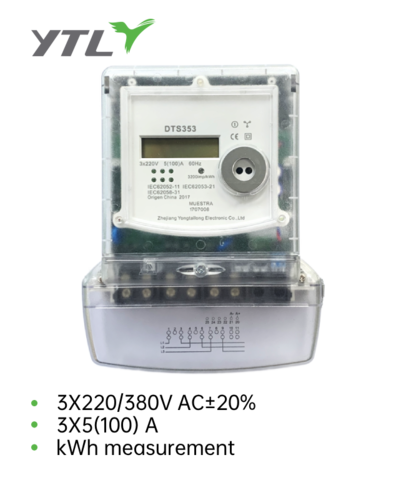
.png?imageView2/2/w/500/h/500/format/png/q/100 "YTL Two Phase Three Wire LCD Shunt sampling Energy Meter")
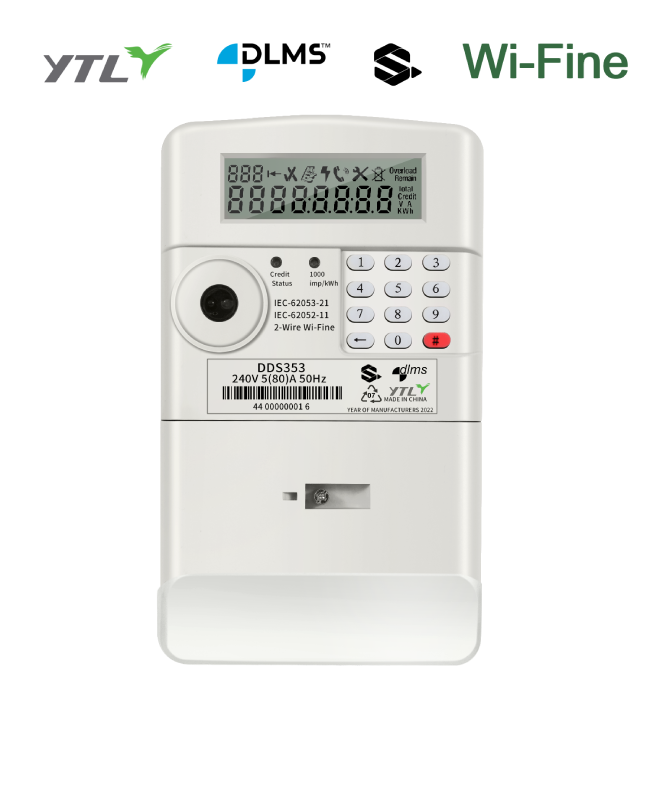
.png?imageView2/2/w/500/h/500/format/png/q/100 "YTL Two Phase Three Wire Big counter Electricity Meter")
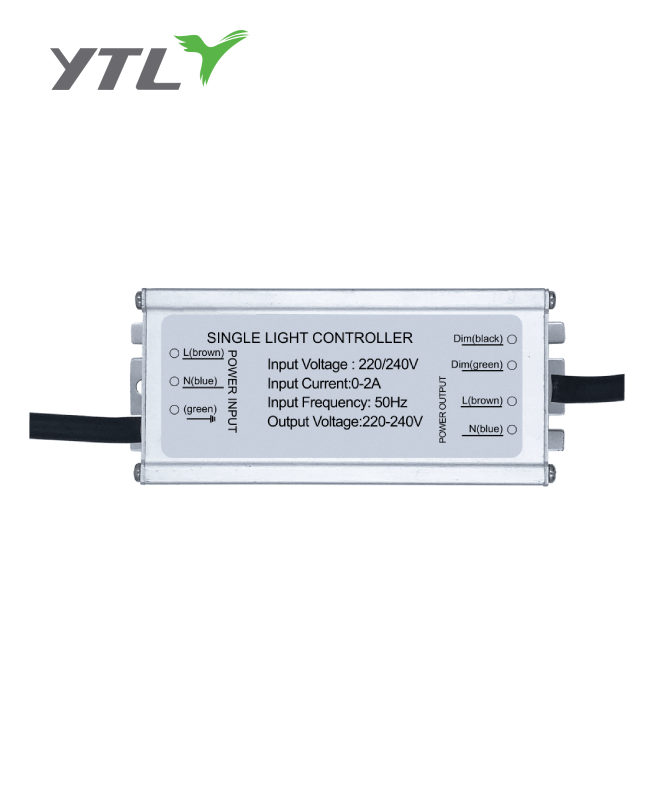
.png?imageView2/2/w/500/h/500/format/png/q/100 "YTL China Single Phase IC card Prepayment Electricity Meter")